Clean Water Tanker Supply Services in Westlands & Nairobi CBD
Contact 0721155332 for Clean Water Tanker Supply Services in Westlands & Nairobi CBD, Loresho, Parklands, Ngara, Kileleshwa, Lavington, Karen & Hurlingham.
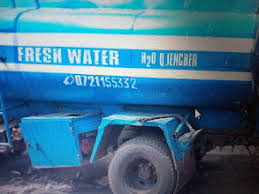
Nairobi’s rapid urban growth has put considerable strain on its infrastructure, especially water supply. In areas like Westlands and the Nairobi Central Business District (CBD), residents, businesses, and institutions occasionally face water shortages, interruptions, or quality concerns. Clean water tanker supply services have become vital in bridging gaps—providing safe, potable water when municipal or piped supplies are insufficient or unreliable.
Why Clean Water Tanker Supply is Critical
- Inconsistent Municipal Supply
Nairobi Water & Sewerage Co. has improved coverage, but demand often outpaces supply, especially during droughts or pipe failures. When the municipal network fails—or when pressure is low—water tankers are a stopgap that’s essential for maintaining operations in offices, hotels, clinics, and housing complexes. - Varied Consumer Needs
In Westlands, where high-end residential estates, commercial offices, restaurants, and embassies are common, demand for clean, potable water is especially high. Nairobi CBD also includes large hotels, conference centres, business towers, and event venues that cannot rely solely on intermittent water supply. Tanker services enable them to meet hygiene, food safety, and guest service expectations. - Emergency and Special Events Use
Whether it’s sudden pipe bursts, planned outages, or special events (exhibitions, festivals, weddings), many entities in these areas require fast, reliable access to clean water. Tanker supply fills these emergency and event‐based gaps.
What Services Look Like in Practice for Clean Water Tanker Supply Services in Westlands
Several companies operate clean water bowser in Nairobi, including Westlands and CBD. Key features include:
- Varied Capacities: Tankers and bowsers in sizes of 5,000 L, 7,000 L, and 10,000 L are common.
- Flexible Delivery: These services often cater to both scheduled deliveries (for example, weekly or monthly) and emergency or ad‐hoc deliveries when need arises.
- Purity and Certification: Some operators emphasize potable water (safe for drinking) certified or tested to local standards like KEBS. They also ensure that their tankers are clean, sanitized and maintained to avoid contamination.
- Wide Geographic Coverage: Apart from Westlands and CBD, many suppliers serve adjoining high‐density or high‐value neighborhoods (Kileleshwa, Parklands, Lavington, etc.). This ensures that even slightly farther estates or commercial areas can access supply without extreme delay.
Companies & Examples
- Joe Clean Water Tanker Supply Services is one such provider active in Westlands, the CBD, and other Nairobi neighborhoods. They offer tanker capacities of 5,000, 7,000, and 10,000 litres. Contact options via mobile/WhatsApp also make ordering relatively straightforward.
- OmiDrop Africa offers bulk potable water deliveries, with same‐day options in many parts of Nairobi, including Westlands and CBD. Their service lineup includes residences, offices, schools, hospitals, and events.
- Clean Water Supply (Ngong Road Nairobi) supplies water for construction, events, swimming pool filling, and more. They offer bowser/tanker deliveries across Nairobi environs.
Regulatory Clean Water Tanker Supply Services in Westlands & Quality Considerations
- In 2020, Nairobi City Water and Sewerage Company (NCWSC) introduced tougher guidelines for water bowsers/tankers: for example, all bowsers must have a lockable inspection chamber and be free from rust, among other safety and inspection features. These efforts aim to protect consumers from substandard or unsafe water supply.
- Water quality is not just a regulatory issue—it’s a matter of public health. Contaminated water causes illnesses; hence, companies supplying clean water must maintain high hygiene, ensure regular sanitation of tankers, source water from approved/regulated sources, and ideally provide proof of water testing.
Westlands’ water supply suffers a number of issues that have an impact on locals, companies, and institutions. Demand has grown beyond the capacity of the current water infrastructure due to rapid urbanization. Water losses and erratic delivery are caused by aged pipelines, unauthorized connections, and frequent pipe bursts. Nairobi Water Company distribution schedules are limited, resulting in rationing in several estates. High-rise construction also puts a strain on the resources that are available, and the problem is made worse by faulty boreholes and contaminated water after intense storms. In order to guarantee reliable and secure water delivery throughout Westlands and the surrounding Nairobi districts, locals and businesses are consequently depending more and more on clean water tanker supply services.
Challenges & Limitations
- Cost: bulk water deliveries are more expensive per litre than piped water. Frequent reliance on tankers can add up, especially for large consumers.
- Logistics / Traffic Delays: Nairobi traffic can delay delivery, especially within CBD or densely built parts of Westlands. Timing and route planning are critical.
- Supply Source Constraints: The clean water supplied must itself be from reliable sources. If the source is compromised (e.g. boreholes without treatment, surface water), it undermines the safety business.
- Regulation & Oversight: Ensuring that all tanker operators comply with health standards and with the regulatory requirements (inspection, clean tankers, etc.) can be challenging, particularly for smaller providers.
Best Practices & Tips for Consumers
- Always request evidence of water quality, e.g. certificates or recent test reports.
- Check the condition of the tanker or bowser—it should be clean, well‐painted, free of rust, with properly sealed lids and lockable inspection chambers.
- Clarify delivery schedule and pricing in advance. Ask about any additional costs (e.g. offloading, delays).
- Where possible, contract for regular delivery if you depend on tankers—this helps with budgeting and ensures continuity.
- For businesses, consider blending tanker supply with storage (tanks) so you have buffer stock during supply interruptions.
The Outlook
As Nairobi continues to grow, especially in high‐density and mixed‐use areas like Westlands and the CBD, demand for reliable clean water will remain strong. Investments in piped infrastructure (leak reduction, expanded treatment capacity, better storage) will help. Meanwhile, clean water tanker services will continue playing a crucial role—as emergency back‐ups, event support, and supplementary supply sources.
With stricter regulation, improved hygiene practices, and technological developments (for example, better tracking of deliveries, digital ordering, transparency in sourcing), tanker supply services can become more reliable, safer, and more cost‐efficient.
Clean water tanker supply services in Westlands and Nairobi CBD are more than just a stopgap—they are a necessary component of the water system in a fast‐expanding, sometimes over‐burdened city. For residents, businesses, and institutions alike, being informed about providers, quality, and regulation is key to ensuring that when piped supply fails, clean water delivery does not.