Get septic tank cleaning & Human Waste Removal Services in Nairobi by dialing 0721155332. Waste water removal uses specialized vacuum trucks—often referred to as honeysuckers—to remove sludge, scum, and wastewater from septic tanks, is the first step in exhaust services in Nairobi. Before using powerful vacuum pumps to extract the contents, skilled professionals examine the tank to determine the sludge levels. After that, the garbage is delivered to approved municipal treatment facilities while adhering to National Environment Management Authority (NEMA) guidelines in Ruai waste dumpsite. This service is necessary to avoid overflows, which can result in unpleasant smells, contaminated groundwater, and health hazards including cholera. In Nairobi, exhaust services usually advise pumping every six to twelve months for homes and more frequently for commercial buildings with high demand.
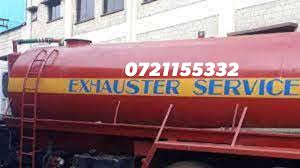
Waste Removal Services in Nairobi
Sewer backups or unexpected septic tank overflows need to be addressed right away to avoid health risks and property damage. With quick response teams sent to places like Karen, Lavington, and Westlands, exhaustion services in Nairobi offer emergency waste removal around-the-clock. Technicians minimize disturbance by swiftly removing waste and cleaning impacted areas using mobile vacuum trucks. In Nairobi’s fast-paced metropolitan setting, where delays can worsen sanitation problems, this service is essential for homes and businesses.
Septic Tank Cleaning in Nairobi Contacts
Cleaning the septic tank after pumping is essential to get rid of debris and hardened biofilm from the bottom and walls. High-pressure water jets and environmentally safe disinfectants are used by exhaust services in Nairobi to get rid of bacteria and smells, replenishing the tank’s capacity and cleanliness. By maintaining helpful bacteria, this procedure guarantees effective waste digestion and increases the system’s longevity. Enzyme replenishment is part of cleaning for biodigesters, a well-liked environmentally friendly substitute in Nairobi, in order to sustain bacterial activity. Frequent cleaning keeps sanitation systems functioning by preventing obstructions and backlog.
Vacuum Honey Sucker Services in Nairobi
Our Vacuum Honey Sucker Services in Nairobi are in capacities of 10000 liters & 18000 liters. Waste from septic tanks, cesspits, biodigesters, and drainage systems is pumped out and safely disposed of using vacuum trucks, also known as exhauster trucks. For millions of households, businesses, schools, and other establishments in Kenya that depend on on-site waste management systems rather than a municipal sewage network, exhauster services are a vital sanitation solution.
Hiring a professional exhauster service provider is the quickest, safest, and most legally compliant course of action, regardless of whether your septic tank is full and backed up or you’re planning routine maintenance before tragedy hits. From Nairobi and Mombasa to Garissa and Kitale, Kamjoe Exhauster Services operates licensed vacuum trucks in over 50 Kenyan towns, offering same-day service in the majority of urban regions.
Guidelines Human waste disposal service
Site Assessment: Our driver examines the tank access point, calculates the volume, and verifies the appropriate hose length and pump capability.
Tank Location & Opening: To enable enough ventilation and complete drainage, we locate all access covers and open the inlet and outlet manholes.
Vacuum Suction: The exhaust truck’s pump generates a vacuum that draws all liquid waste, settled sludge, and floating scum into the truck’s sealed tank through the hose.
Sludge Breakdown (if necessary): As part of a comprehensive service, we use water jetting to break apart solids in densely compacted sludge prior to complete removal.
Tank Rinse: To ensure complete emptying and safeguard the tank lining, we rinse the tank walls with clean water to get rid of any leftover waste and finally Secure Transportation and Disposal
The history of human waste disposal services in Nairobi, Kenya, dates back to the early 1900s during the colonial period when Nairobi was established as a railway depot for the Uganda Railway. As the town rapidly grew into a commercial and administrative center, sanitation quickly became a major public health concern. Early Nairobi relied on basic pit latrines, bucket toilets, and manual waste collection systems, especially in African settlements and labor camps. Human waste was often collected at night by sanitation workers commonly referred to as “night soil men,” who transported waste away from residential areas using carts and basic equipment.
Many African districts lacked adequate sanitation systems during the colonial era, when sewage infrastructure was primarily built for European residential areas and government buildings. Major health issues resulted from this, including typhoid, cholera, and dysentery outbreaks. In order to enhance public health and hygiene, the Nairobi municipal authorities eventually started making investments in organized sanitation services, waste treatment facilities, and sewage lines.
Nairobi saw a sharp increase in population and urbanization following Kenya’s independence in 1963. The rapid growth of informal settlements raised the need for trustworthy garbage disposal services. The city’s sewer system, however, found it difficult to keep up with the expanding population. Many estates and peri-urban areas continued relying on septic tanks and pit latrines rather than centralized sewer systems. This led to the rise of private exhauster and honey sucker services that specialized in septic tank emptying and sewage transportation.
From the 1980s onward, mechanized vacuum trucks became more common in Nairobi. Private companies invested in modern sewage exhauster lorries capable of safely removing waste from residential homes, apartments, schools, hospitals, and commercial buildings. These services became essential in areas not connected to the main sewer network, including expanding suburbs around Nairobi and neighboring counties.
Today, human waste disposal services in Nairobi combine public sewer systems with private sanitation providers. Modern exhauster companies use high-capacity vacuum trucks, safety equipment, and environmentally approved disposal methods to manage waste efficiently. The sector continues to play a critical role in maintaining urban sanitation, preventing disease outbreaks, and supporting the city’s growing population. As Nairobi continues expanding, investments in modern sewer systems, waste treatment plants, and professional sanitation services remain essential for sustainable urban development and public health protection.
Leave a Reply