Reach Kamjoe on 0724064200 for septic emptying Sewage honey sucker services in Ruiru & Juja Kiambu — fast, safe, and ready for rainy-season problems.
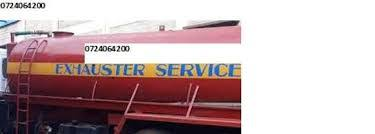
Over the past ten years, Juja and Ruiru have rapidly expanded. Homeowners and property managers depend on sewage honey sucker (exhauster) services to keep septic tanks and holding pits clean, hygienic, and operational when sewer lines don’t quite reach a site. New estates, businesses, and small enterprises imply more wastewater to manage. This page outlines the issues that excessive rains cause for septic systems, details the local sewer infrastructure, explains how honey sucker services operate in Juja and Ruiru, and offers helpful advice for property owners.
What are sewage honey sucker services?
A honey sucker (also called an exhauster or vacuum tanker) is a specialised truck that pumps out sewage, septic sludge and wastewater from septic tanks, cesspits and holding tanks, then transports the waste to a licensed treatment facility. These services are essential where properties aren’t on a direct sewer connection or when tanks overflow, smell or back up. Regular emptying and emergency pumping protect health, reduce foul odours, and prevent environmental contamination.
Sewer network and treatment capacity in Juja & Ruiru
Ruiru–Juja Water & Sewerage Company (RUJAWASCO/RUIRUWATER) manages water and sewer services across both towns. Large sewer projects in the area have built extensive trunk and reticulation lines: Juja’s Phase II works included about 33.4 km of sewer lines and a wastewater treatment plant designed to handle significant volumes, while Ruiru Phase I added roughly 57 km of trunk sewers and a treatment works to serve fast-growing suburbs. These trunk lines (for example the Mugutha, Theta and Kamiti trunk sewers) form the spine of municipal sewerage, but many neighborhoods still depend on septic systems and need regular honey-sucker support.
Authorities are actively extending secondary sewer lines to link more households, according to Kiambu County environmental planning documents and recent secondary sewer/distributory extensions. However, the roll-out is sluggish, and connection gaps still exist in newly created estates. The gradual approach to sewer extension and the necessity of temporary fixes like septic management are explained in local EIA and county project papers. Why heavy rains make septic tanks worse in Juja & Ruiru
Heavy rains — common in the long and short rainy seasons — create several septic-related problems:
- Saturated drain fields: prolonged, heavy rainfall soaks the soil that normally absorbs septic effluent. When the soil is saturated the effluent can’t drain, so liquids back up into the tank and household plumbing.
- Rising groundwater and inflow: groundwater and surface run-off can enter poorly sealed tanks or cracked pipes, increasing the volume inside the tank and causing premature filling.
- Overflow and contamination risk: overflowed septic tanks spill untreated sewage into yards, drains and nearby streams — a public health and environmental hazard, especially near densely populated settlements. Local studies of Ruiru/Juja note old systems, poorly located pit latrines and occasional sewer blockages that raise contamination risk during storms.
Because of these rain-linked effects, many property owners experience backups and foul-smelling toilets during/after downpours — and emergency honey-sucker trips become common.
Businesses, schools, landlords, and homeowners in Juja and Ruiru often rely on honey sucker services to deal with full or overflowing septic tanks. Due to rapid population growth and estate expansion that exceeds sewer line capacity, many residences continue to rely on septic systems. After heavy rains, tanks fill up faster due to stormwater inflow, which can result in backflow, offensive odors, and health risks. For businesses that generate a lot of wastewater, such hotels, restaurants, industries, apartments, and hostels, regular exhauster services are extremely important. Reputable honey sucker vendors in Juja and Ruiru support safe, clean living conditions, environmental conservation, and emergency readiness.
What good honey-sucker providers do (and what to ask for)
A professional service in Juja & Ruiru should offer:
- Licensed disposal: transport and discharge to authorised treatment works (check the company’s documentation).
- Emergency response: quick attendance during overflows or heavy rain incident.
- Routine contracts: scheduled desludging to prevent emergencies — frequency depends on tank size and household usage.
- Inspection & advice: check for inflow points, cracked lids, or illegal stormwater connections that cause tanks to fill faster.
When you call a provider, ask: Where will the waste be taken? How soon can you respond in an emergency? Do you offer routine maintenance contracts and invoices for compliance?
Practical tips for homeowners
- Empty before the rains if your tank is near capacity. Avoid pumping during floods (pumping a tank that is floating in saturated ground can damage it).
- Repair cracked lids and pipes to stop stormwater inflow.
- Avoid pouring fats, grease and solids into drains — they shorten the interval between emptying.
- Connect to sewer where available — if a municipal secondary line reaches your area, plan for a proper connection to eliminate septic risks.
- Juja and Ruiru are improving sewer infrastructure to assist in Sewage honey sucker services in Ruiru & Juja Kiambu, but many areas still depend on septic systems. A trusted honey-sucker service is the practical bridge: routine desludging, emergency pumping during heavy rains, and professional disposal safeguard health and property. If you manage a property in Juja or Ruiru, schedule preventive emptying before high-rain months and confirm your provider uses licensed disposal routes — it’ll save money, hassle and environmental harm in the long run.
Leave a Reply