Honey Sucker & Exhauster Services in Ruai, Tala, Joska, Kamulu & Kantafu, contact 0721155332
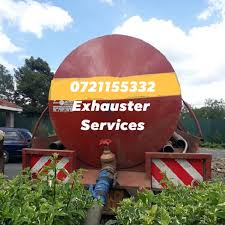
History, challenges and infrastructure updates.
Proper sewage management is essential for public health and the environment. In fast-growing Nairobi outskirts like Kamulu, Tala, Joska, Ruai and Kantafu, many households and businesses still depend on onsite sanitation (septic tanks) and reliable honey sucker / exhauster services to prevent overflows, foul odours and contamination. The history of waste-management challenges in these areas — and the recent infrastructure activity — explains why professional exhauster services remain vital.
Blockages in the sewage system happen when pipes or drains are clogged, which stops wastewater from flowing smoothly. Common causes include the collection of silt, soap scum, and food particles; foreign things flushed down toilets, such as wipes, sanitary pads, diapers, and plastics; and grease and fats poured down sinks, which harden inside pipes. Tree roots have the ability to enter broken pipelines and create significant obstructions. Inadequate pipe design, poor installation, and neglect are additional factors that contribute to frequent blockages. Heavy rains can strain drainage systems, causing blockages. Blockages can be avoided by managing septic tanks using expert exhauster services, disposing of waste properly, and performing scheduled maintenance.
A brief history of sewage challenges in the eastern Nairobi corridor
Population expansion surpassed sanitary infrastructure as towns along Mombasa Road and Kangundo Road grew. Plots in several peri-urban neighborhoods were divided into small businesses and rental apartments as they rapidly developed. Due to the lack of centralized sewers in these rural locations, onsite systems (septic tanks and pit latrines) became the norm, which increased the need for desludging and honey sucking services. Environmental and sanitation assessments at the regional level describe this pattern.Several consistent problems emerged:
- Frequent septic overflows during heavy rains or when tanks are not emptied regularly.
- Illegal dumping and encroachment around treatment sites (which reduces capacity and delays planned expansions).
- Long transport distances to authorized disposal/treatment facilities, increasing expenses and response times for clients and truck drivers. These systemic limitations are explained by reports on Nairobi’s sewer network and treatment capacity.
- Why honey sucker (exhauster) services are still essential
Even where plans exist to extend sewer lines, most homes and many businesses in Honey Sucker & Exhauster Services in Ruai, Tala, Joska, Kamulu & Kantafu continue to rely on onsite sanitation. That makes dependable honey sucker trucks the frontline solution for:
- preventing health hazards from overflows,
- protecting groundwater and local streams, and
- maintaining hygiene in high-density rental compounds and commercial premises. National studies show that onsite sanitation and transport/treatment services remain a weak link in Kenya’s overall wastewater management picture.
Recent infrastructure developments that affect waste management
There has been growing investment and planning aimed at improving water and sewerage services around Nairobi’s periphery. Notable developments include rehabilitation and expansion projects for major treatment works (which influence where exhauster trucks can legally discharge) and road/ drainage upgrades in township centres like Tala — both of which affect access and response times for service providers.
Particularly in Ruai, the region has changed from being commonly known as a peripheral “sewage zone” to a more mixed residential and commercial zone. This change has drawn attention to plans for sewer expansion, land use, and the necessity of protecting treatment sites from invasion. These factors alter the location and method of waste disposal for honey sucker operators as well as the speed at which they can serve clients.Practical implications for residents and businesses
- Schedule regular desludging. Don’t wait for foul odour or visible backups — regular emptying (frequency depends on household size and tank volume) prevents emergency callouts and environmental harm.
- Use licensed operators. Choose providers who transport waste to legal treatment plants and provide documentation of disposal. This helps protect you legally and ensures proper environmental handling. Expansion and upgrades at treatment plants mean licensed tipping points are changing; ask your provider where they dispose.
- Plan around road and drainage works. Road upgrades and drainage projects (e.g., in Tala) improve access long-term but can temporarily affect truck routes — call ahead to confirm service windows.
The process of eliminating impurities from wastewater so that it is safe for reuse or disposal is known as sewage treatment. Three steps are usually involved: primary treatment, in which solids settle out; secondary treatment, in which organic matter is broken down by biological processes; and tertiary treatment, which eliminates contaminants, nutrients, and pathogens to improve the quality of the water. By lowering contamination of rivers, lakes, and groundwater, proper sewage treatment preserves the ecosystem, prevents waterborne illnesses, and protects public health. Large populations are served by treatment facilities in urban areas, but septic tanks with exhauster services are still necessary for safe waste management in peri-urban and rural locations.
The road ahead
Long-term improvement will include improved procedures for the transportation and disposal of licensed waste, investment in treatment capacity, and the coordinated extension of sewage networks where practical. While infrastructure catches up, professional honey sucker and exhauster services continue to be a useful and essential component of sanitation in Kamulu, Tala, Joska, Ruai, and Kantafu, safeguarding public health and preventing pollution. While there are ongoing national and regional initiatives, local businesses and households still need to work together to maintain clean and safe areas.
Leave a Reply