Author: admin

  • Electric Fence & Razor Wire Installation in Kenya

    Reach Electric Fence & Razor Wire Installation in Kenya –  Call 0721155332 for Reliable Perimeter Security Solutions
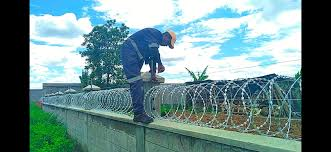
    In today’s fast-changing security environment, property owners in Kenya are increasingly adopting electric fence and razor wire installations as the first line of defense for homes, businesses, schools, and industrial premises. With rising concerns about theft, burglary, and unauthorized access, installing a professional electric fence system coupled with high-quality razor wire offers both deterrence and protection.

    Why Choose Electric Fence Installation in Kenya

    In Kenya, installing an electric fence offers a higher degree of perimeter protection than more conventional barriers like masonry walls. Intruders trying to climb or cut through the fence are given a non-lethal electric shock by the fence, which also activates an alarm system that notifies the property owner or security firm.

    In order to ensure safety and maintain a powerful deterrent, modern electric fences are built with intelligent energizers that control voltage. Both residential and commercial properties in Nairobi, Kiambu, Thika, Ruiru, Machakos, and other parts of Kenya would benefit greatly from them.

    Benefits of Electric Fence Installation

    1. High Security – Electric fences create a powerful psychological and physical barrier.
    2. 24/7 Monitoring – Most systems can be integrated with CCTV cameras or alarm systems for continuous surveillance.
    3. Cost-Effective – Once installed, electric fences require minimal maintenance compared to hiring round-the-clock guards.
    4. Versatile – Can be installed on walls, chain link fences, or standalone steel posts.
    5. Customizable – You can adjust voltage strength, alarm sensitivity, and layout based on your property needs.

    Razor Wire Installation in Kenya

    For maximum security, many property owners combine razor wire installation with electric fencing. Razor wire, also known as concertina wire, consists of sharp-edged steel blades designed to prevent intrusion by cutting or injuring anyone trying to breach it.

    Razor wire is available in different types including:

    • Flat wrap razor wire – ideal for tight spaces.
    • Concertina razor coil – commonly used on perimeter walls and gates.
    • Barbed tape wire – reinforced for high-security zones like prisons, factories, and warehouses.

    When properly installed, razor wire complements the electric fence by providing an additional mechanical barrier that is hard to cut or climb.

    Materials Used in Electric Fence and Razor Wire Installation

    A successful electric fence and razor wire installation requires several key materials and accessories to ensure durability, performance, and safety. The main components include:

    1. Energizer (Power Unit): The electric fence’s central component that transforms solar or mains power into high-voltage pulses.

    2. Electricity is conducted along the fence line via high-tensile wire. For durability and corrosion resistance, stainless steel or galvanized wires are recommended.

    3. Fence Posts: Structural support poles made of treated wood or metal.

    4. Insulators: Make sure current flows along the wire and stop electrical leaks to the posts.

    5. Earth (Grounding) Rods: Make sure the circuit is completed effectively to deliver shocks.

    6. Warning Signs: Required for both safety and legal compliance, particularly for properties that front the public.

    7. Fence Tensioners: To avoid sagging, keep the wire tension constant.

    8. Connectors and gate handles: These provide regulated entry points without sacrificing security.Razor Wire Rolls – Installed along the wall or fence line for additional protection.

    Alarm Siren & Control Unit – Alerts users when there is an intrusion or voltage drop.

    Additional accessories like lightning arrestors, battery backups, solar panels, and junction boxes enhance reliability, especially in areas prone to power outages.

    Procedure for Installation

     1. Site Assessment: To ascertain the property’s perimeter length, weak points, and power sources, the security specialist conducts an inspection.

     2. Material Selection: Appropriate materials are selected based on the environment, financial constraints, and degree of security.

     3. Post and Wire Setup: High-tensile wire runs are joined via insulators after fence posts are positioned at regular intervals.

     4. Energizer Connection: Grounding and power rods are securely attached to the energizer.

     5. Testing and Calibration: To guarantee peak performance, voltage and alarm functionality are verified.

     6. Razor Wire Installation: To increase deterrence, razor coils or flat wraps are affixed to the wall or fence.

    Maintenance and Longevity

    Frequent examinations guarantee that the system operates effectively. Keep an eye out for any loose connections, broken wires, or plants that may be touching the fence. Expert maintenance guarantees that the system keeps its deterrent voltage and complies with regulations.

    10 Related Keywords for SEO

    1. Electric fence installation Kenya
    2. Razor wire installation Kenya
    3. Security electric fencing Nairobi
    4. Perimeter fence installation services
    5. Electric fence materials Kenya
    6. Razor wire suppliers Nairobi
    7. Home security fencing solutions
    8. Concertina wire installation Kenya
    9. Solar electric fence systems
    10. Best electric fence installers Kenya

    Investing in a professional electric fence and razor wire installation in Kenya offers unmatched protection for your property. Whether you’re a homeowner, business owner, or property developer, securing your perimeter is essential. For reliable installation, maintenance, and supply of materials, contact Kamjoe General Enterprises on 0721155332 or visit kamjoe.co.ke
  • Bulk Swimming Pool Water Tanker Refilling Services

    For Bulk Swimming Pool Water Tanker Refilling Services in Nairobi & Kiambu using water bowser trucks, call 0721155332

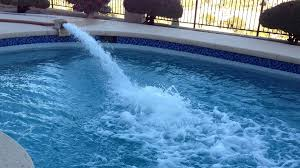
    Maintaining a clean, safe, and well-filled swimming pool is essential for both residential and commercial pool owners. In Nairobi and Kiambu counties, where water rationing and unreliable supply are common, bulk swimming pool water tanker refilling services have become the most reliable solution. Whether it’s for private homes, hotels, schools, fitness clubs, or estate swimming pools, professional clean water suppliers like Kamjoe General Enterprises (0721155332) provide fast, affordable, and hygienic pool water delivery right to your location.

    Importance of Bulk Swimming Pool Water Supply in Nairobi & Kiambu

    Due to growing urbanization and inadequate piped water infrastructure, Nairobi and Kiambu frequently face water shortages. Because of this, many property owners depend on water tankers to replenish their pools whenever levels fall as a consequence of maintenance, evaporation, or leaks. A practical and effective substitute for waiting for municipal water is bulk water delivery.

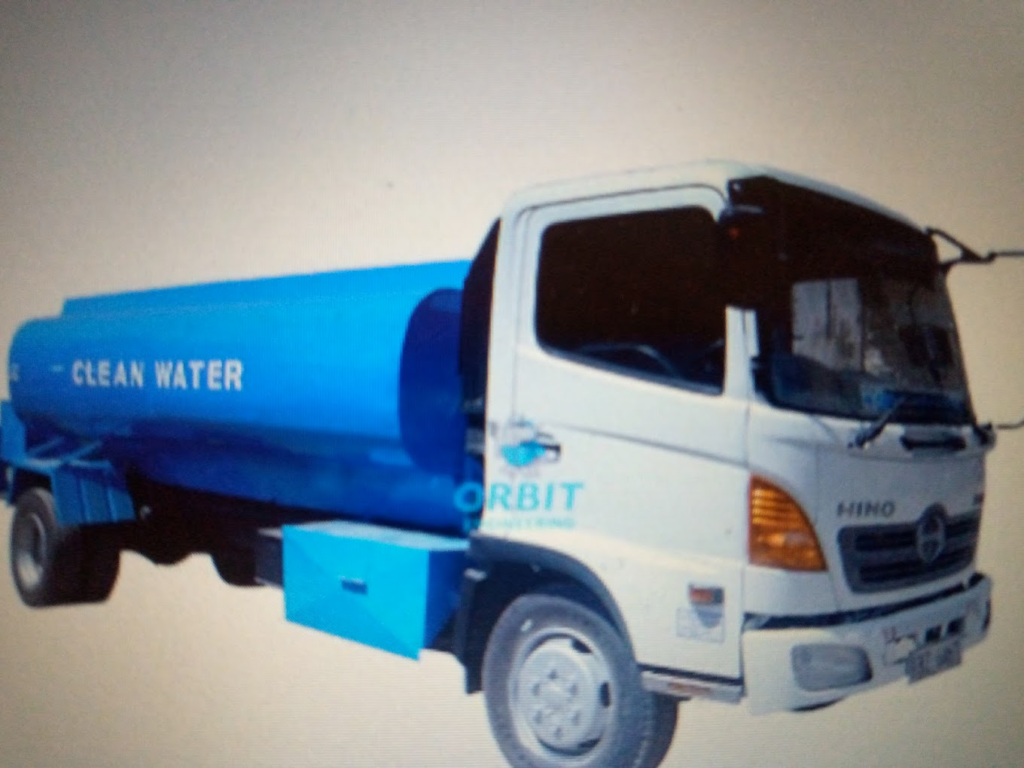
    Customers can request 5,000 to 20,000 liters of fresh, treated water per trip with Kamjoe’s clean water tanker supply services, guaranteeing that their pools are always open. During dry seasons, hotel high seasons, or event hosting, this service is particularly crucial.

    Why Choose Bulk Water Tanker Services for Swimming Pools

    1. Reliability and Speed:
      Water tanker delivery eliminates the long waiting time associated with water rationing. Tankers deliver water directly to your pool within hours of booking, allowing you to resume use immediately.
    2. Quality and Clean Water:
      Kamjoe ensures that the water supplied is clean, chlorine-treated, and safe for swimming, protecting users from waterborne diseases and algae buildup.
    3. Cost-Effective Solution:
      Refilling your pool via tanker service reduces costs compared to using multiple smaller water sources or boreholes, especially for large commercial pools.
    4. Flexible Delivery:
      Whether your pool is in Nairobi CBD, Westlands, Karen, Ruiru, Kiambu Town, Thindigua, or Ruaka, tanker services can easily access most estates and institutions.
    5. Support for Maintenance and Cleaning:
      After pool draining, cleaning, or repairs, bulk water suppliers refill pools efficiently to the desired level, saving time and preventing damage from prolonged emptiness.

    Common Causes of Swimming Pool Water Loss

    Even with proper maintenance, swimming pools naturally lose water through evaporation and splash-out. However, if your pool requires frequent refilling, it could be due to leakage problems. Here are some common reasons for swimming pool leakages:

    1. Cracked Pool Walls or Floors:
      Over time, pool concrete may develop small cracks due to ground movement, temperature changes, or poor construction. These cracks allow water to slowly seep out.
    2. Faulty Plumbing Lines:
      Leaks often occur in the pipes connecting the pool to pumps, filters, and heating systems. Underground leaks can waste thousands of liters before detection.
    3. Damaged Pool Liners:
      Vinyl or fiberglass pool liners may tear or wear out with age, leading to continuous water loss.
    4. Improper Sealing Around Fixtures:
      Skimmers, drains, return jets, and lighting fixtures may have poor seals that allow water to escape through small gaps.
    5. Ground Shifting and Structural Movement:
      Nairobi and Kiambu have varied soil types, and ground shifting during rainy seasons can cause slight movements in pool foundations, resulting in leaks.
    6. Evaporation and Splashing:
      In hot areas like Ruiru, Kiambu Road, or Upper Hill, pools can lose up to several centimeters of water daily through evaporation. Heavy usage during weekends also contributes to loss through splashing.

    Regular pool inspections, hydrostatic pressure testing, and professional maintenance can help identify and fix these issues early, reducing unnecessary refilling costs.

    Risks Involved in Swimming Pools and How to Prevent Them

    While swimming pools offer relaxation and recreation, they also come with potential health and safety risks that every owner should manage carefully. Some of the main risks include:

    1. Drowning Hazards:
      One of the most serious risks, especially for children and inexperienced swimmers. Proper fencing, safety covers, and lifeguards are crucial in public or residential pools.
    2. Waterborne Illnesses:
      Contaminated or untreated water can cause skin infections, ear infections, or stomach illnesses. Always ensure water is chlorinated, filtered, and replaced regularly using clean tanker supplies.
    3. Slippery Surfaces:
      Wet tiles or pool decks can cause slips and falls. Non-slip flooring and adequate drainage help prevent such accidents.
    4. Electrical Hazards:
      Faulty pool lights or nearby electrical appliances can pose electrocution risks. Always hire certified electricians to handle pool electrical systems.
    5. Chemical Imbalance:
      Incorrect chlorine or pH levels can irritate the eyes, skin, and respiratory system. Regular testing and adjustment maintain healthy pool water.
    6. Poor Supervision:
      Many accidents occur due to lack of supervision. Ensure there is always an adult or qualified lifeguard present when the pool is in use.
    7. Structural Weakness:
      Pools with cracks or poorly maintained structures can collapse or leak extensively, creating hazards for users and nearby property.

    Environmental and Water Management Considerations

    In Nairobi and Kiambu, water is a valuable resource. Efficient management of swimming pool water helps reduce wastage and cost. Here are some sustainable practices:

    • Use pool covers to minimize evaporation.
    • Recycle backwash water where possible.
    • Conduct periodic leak detection tests.
    • Refill pools using professional clean water tanker services (0721155332) to ensure no contamination or unnecessary overflows.

    Areas Served by Kamjoe General Enterprises

    Kamjoe General Enterprises provides bulk clean water tanker refilling services across:

    • Nairobi County: Westlands, Karen, Lavington, Kilimani, South C, Embakasi, Kasarani, Ruai, Donholm, and Nairobi CBD.
    • Kiambu County: Ruiru, Thindigua, Ruaka, Kiambu Town, Kahawa Sukari, Kahawa Wendani, and Kikuyu.

    Kamjoe guarantees timely delivery for both residential and commercial pools with its fleet of contemporary tankers, which range in capacity from 5,000L to 20,000L. To provide a comprehensive water management solution, the organization also offers honey sucker and sewage exhauster services.

    The Reasons Kamjoe Is the Greatest Option

    1. Trusted by hotels, schools, and estates in Kiambu and Nairobi.

    2. Reasonably priced and clear pricing with no additional fees.

    3. A competent staff that places a high value on cleanliness and client pleasure.

    4. Fast Response: Deliveries are scheduled in a matter of hours.

    5. A dependable fleet of tankers that guarantees a steady and prompt delivery. Final Thoughts

    In Nairobi or Kiambu, owning a swimming pool promotes happiness and leisure, but it also necessitates careful water management. Maintaining cleanliness and guaranteeing user safety requires routine replenishing with fresh, safe, and clean water. Kamjoe’s bulk swimming pool water tanker services provide an effective, trustworthy, and reasonably priced solution to the regular water shortages.

  • Clean Water Tanker Supply Services in Westlands & Nairobi CBD

    Call 0721155332 to get Clean Water Tanker Supply Services in Westlands & Nairobi CBD, Kikuyu, Kinoo, Loresho, Parklands, Ngara, Kileleshwa, Lavington, Wangige, Karen & Hurlingham.

    Nairobi’s rapid urban growth has put considerable strain on its infrastructure, especially water supply. In areas like Westlands and the Nairobi Central Business District (CBD), residents, businesses, and institutions occasionally face water shortages, interruptions, or quality concerns. Clean water tanker supply services have become vital in bridging gaps—providing safe, potable water when municipal or piped supplies are insufficient or unreliable.


    Why Clean Water Tanker Supply is Critical

    1. Inconsistent Municipal Supply
      Nairobi Water & Sewerage Co. has improved coverage, but demand often outpaces supply, especially during droughts or pipe failures. When the municipal network fails—or when pressure is low—water tankers are a stopgap that’s essential for maintaining operations in offices, hotels, clinics, and housing complexes.
    2. Varied Consumer Needs
      In Westlands, where high-end residential estates, commercial offices, restaurants, and embassies are common, demand for clean, potable water is especially high. Nairobi CBD also includes large hotels, conference centres, business towers, and event venues that cannot rely solely on intermittent water supply. Tanker services enable them to meet hygiene, food safety, and guest service expectations.
    3. Emergency and Special Events Use
      Whether it’s sudden pipe bursts, planned outages, or special events (exhibitions, festivals, weddings), many entities in these areas require fast, reliable access to clean water. Tanker supply fills these emergency and event‐based gaps.

    What Services Look Like in Practice for Clean Water Tanker Supply Services in Westlands

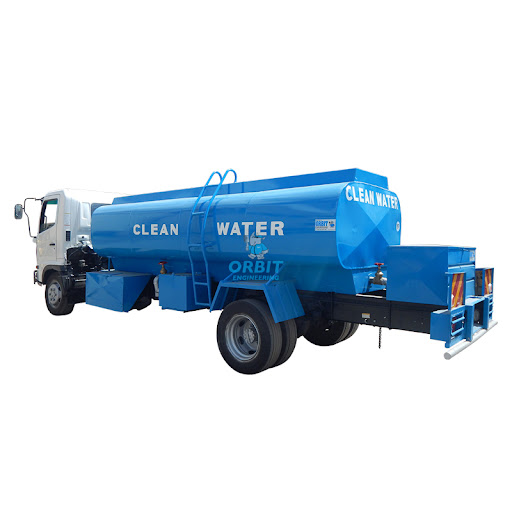
    Several companies operate clean water bowser in Nairobi, including Westlands and CBD. Key features include:

    • Varied Capacities: Tankers and bowsers in sizes of 5,000 L, 7,000 L, and 10,000 L are common.
    • Flexible Delivery: These services often cater to both scheduled deliveries (for example, weekly or monthly) and emergency or ad‐hoc deliveries when need arises.
    • Purity and Certification: Some operators emphasize potable water (safe for drinking) certified or tested to local standards like KEBS. They also ensure that their tankers are clean, sanitized and maintained to avoid contamination.
    • Wide Geographic Coverage: Apart from Westlands and CBD, many suppliers serve adjoining high‐density or high‐value neighborhoods (Kileleshwa, Parklands, Lavington, etc.). This ensures that even slightly farther estates or commercial areas can access supply without extreme delay.

    Companies & Examples

    • Joe Clean Water Tanker Supply Services is one such provider active in Westlands, the CBD, and other Nairobi neighborhoods. They offer tanker capacities of 5,000, 7,000, and 10,000 litres. Contact options via mobile/WhatsApp also make ordering relatively straightforward.
    • OmiDrop Africa offers bulk potable water deliveries, with same‐day options in many parts of Nairobi, including Westlands and CBD. Their service lineup includes residences, offices, schools, hospitals, and events.
    • Clean Water Supply (Ngong Road Nairobi) supplies water for construction, events, swimming pool filling, and more. They offer bowser/tanker deliveries across Nairobi environs.
    •  

    Regulatory Clean Water Tanker Supply Services in Westlands & Quality Considerations

    • The Nairobi City Water and Sewerage Company (NCWSC) implemented stricter regulations for water bowsers and tankers in 2020. Among other safety and inspection requirements, all bowsers must have a lockable inspection chamber and be corrosion-free. The goal of these initiatives is to shield customers from inadequate or dangerous water supplies.• Water quality is a public health concern as well as a regulatory one. Companies that deliver clean water must maintain strict cleanliness, make sure that tankers are regularly sanitized, get water from authorized or controlled sources, and ideally give documentation of water testing because contaminated water can cause illnesses. Westlands’ water supply suffers a number of issues that have an impact on locals, companies, and institutions. Demand has grown beyond the capacity of the current water infrastructure due to rapid urbanization. Water losses and erratic delivery are caused by aged pipelines, unauthorized connections, and frequent pipe bursts. Rationing occurs in a number of estates as a result of Nairobi Water Company’s constrained delivery schedules. The resources that are available are additionally strained by high-rise construction, and the issue is exacerbated by malfunctioning boreholes and tainted water following severe storms. Residents and businesses in Westlands and the adjacent Nairobi areas are increasingly relying on clean water tanker supply services to provide safe and dependable water delivery.


    Challenges & Limitations

    • Cost: bulk water deliveries are more expensive per litre than piped water. Frequent reliance on tankers can add up, especially for large consumers.
    • Logistics / Traffic Delays: Nairobi traffic can delay delivery, especially within CBD or densely built parts of Westlands. Timing and route planning are critical.
    • Supply Source Constraints: The clean water supplied must itself be from reliable sources. If the source is compromised (e.g. boreholes without treatment, surface water), it undermines the safety business.
    • Regulation & Oversight: Ensuring that all tanker operators comply with health standards and with the regulatory requirements (inspection, clean tankers, etc.) can be challenging, particularly for smaller providers.

    Best Practices & Tips for Consumers

    • Always ask for proof of water quality, such as recent test results or certificates.

    • Examine the tanker or bowser’s condition; it should be spotless, well-painted, rust-free, and have lockable examination chambers and lids.

    • Clearly state the cost and delivery time in advance. Inquire about any extra expenses (such as delays or offloading).

    • If you rely on tankers, contract for regular supply whenever you can; this guarantees continuity and aids in budgeting.

    • To have buffer stock in case of supply disruptions, enterprises can think about combining tanker supply with storage (tanks).


    The Outlook

    As Nairobi continues to grow, especially in high‐density and mixed‐use areas like Westlands and the CBD, demand for reliable clean water will remain strong. Investments in piped infrastructure (leak reduction, expanded treatment capacity, better storage) will help. Meanwhile, clean water tanker services will continue playing a crucial role—as emergency back‐ups, event support, and supplementary supply sources.

    With stricter regulation, improved hygiene practices, and technological developments (for example, better tracking of deliveries, digital ordering, transparency in sourcing), tanker supply services can become more reliable, safer, and more cost‐efficient.


    Clean water tanker supply services in Westlands and Nairobi CBD are more than simply a temporary solution; they are an essential part of the water system in a city that is growing quickly and occasionally overburdened. Understanding suppliers, quality, and regulations is essential for residents, businesses, and institutions to ensure that clean water distribution continues even in the event of a piped supply failure.

  • Sewage honey sucker services in Ruiru & Juja Kiambu

    Reach Kamjoe on 0724064200 for septic emptying Sewage honey sucker services in Ruiru & Juja Kiambu — fast, safe, and ready for rainy-season problems.

    Over the past ten years, Juja and Ruiru have rapidly expanded. Homeowners and property managers depend on sewage honey sucker (exhauster) services to keep septic tanks and holding pits clean, hygienic, and operational when sewer lines don’t quite reach a site. New estates, businesses, and small enterprises imply more wastewater to manage. This page outlines the issues that excessive rains cause for septic systems, details the local sewer infrastructure, explains how honey sucker services operate in Juja and Ruiru, and offers helpful advice for property owners.

    What are sewage honey sucker services?

    A honey sucker (also called an exhauster or vacuum tanker) is a specialised truck that pumps out sewage, septic sludge and wastewater from septic tanks, cesspits and holding tanks, then transports the waste to a licensed treatment facility. These services are essential where properties aren’t on a direct sewer connection or when tanks overflow, smell or back up. Regular emptying and emergency pumping protect health, reduce foul odours, and prevent environmental contamination.

    Sewer network and treatment capacity in Juja & Ruiru

    Ruiru–Juja Water & Sewerage Company (RUJAWASCO/RUIRUWATER) manages water and sewer services across both towns. Large sewer projects in the area have built extensive trunk and reticulation lines: Juja’s Phase II works included about 33.4 km of sewer lines and a wastewater treatment plant designed to handle significant volumes, while Ruiru Phase I added roughly 57 km of trunk sewers and a treatment works to serve fast-growing suburbs. These trunk lines (for example the Mugutha, Theta and Kamiti trunk sewers) form the spine of municipal sewerage, but many neighborhoods still depend on septic systems and need regular honey-sucker support.

    Authorities are actively extending secondary sewer lines to link more households, according to Kiambu County environmental planning documents and recent secondary sewer/distributory extensions. However, the roll-out is sluggish, and connection gaps still exist in newly created estates. The gradual approach to sewer extension and the necessity of temporary fixes like septic management are explained in local EIA and county project papers. Why heavy rains make septic tanks worse in Juja & Ruiru

    Heavy rains — common in the long and short rainy seasons — create several septic-related problems:

    • Saturated drain fields: prolonged, heavy rainfall soaks the soil that normally absorbs septic effluent. When the soil is saturated the effluent can’t drain, so liquids back up into the tank and household plumbing.
    • Rising groundwater and inflow: groundwater and surface run-off can enter poorly sealed tanks or cracked pipes, increasing the volume inside the tank and causing premature filling.
    • Overflow and contamination risk: overflowed septic tanks spill untreated sewage into yards, drains and nearby streams — a public health and environmental hazard, especially near densely populated settlements. Local studies of Ruiru/Juja note old systems, poorly located pit latrines and occasional sewer blockages that raise contamination risk during storms.

    Because of these rain-linked effects, many property owners experience backups and foul-smelling toilets during/after downpours — and emergency honey-sucker trips become common.

    Businesses, schools, landlords, and homeowners in Juja and Ruiru often rely on honey sucker services to deal with full or overflowing septic tanks. Due to rapid population growth and estate expansion that exceeds sewer line capacity, many residences continue to rely on septic systems. After heavy rains, tanks fill up faster due to stormwater inflow, which can result in backflow, offensive odors, and health risks. For businesses that generate a lot of wastewater, such hotels, restaurants, industries, apartments, and hostels, regular exhauster services are extremely important. Reputable honey sucker vendors in Juja and Ruiru support safe, clean living conditions, environmental conservation, and emergency readiness.

    What good honey-sucker providers do (and what to ask for)

    A professional service in Juja & Ruiru should offer:

    • Licensed disposal: transport and discharge to authorised treatment works (check the company’s documentation).
    • Emergency response: quick attendance during overflows or heavy rain incident.
    • Routine contracts: scheduled desludging to prevent emergencies — frequency depends on tank size and household usage.
    • Inspection & advice: check for inflow points, cracked lids, or illegal stormwater connections that cause tanks to fill faster.

    When you call a provider, ask: Where will the waste be taken? How soon can you respond in an emergency? Do you offer routine maintenance contracts and invoices for compliance?

    Practical tips for homeowners

    • Empty before the rains if your tank is near capacity. Avoid pumping during floods (pumping a tank that is floating in saturated ground can damage it).
    • Repair cracked lids and pipes to stop stormwater inflow.
    • Avoid pouring fats, grease and solids into drains — they shorten the interval between emptying.
    • Connect to sewer where available — if a municipal secondary line reaches your area, plan for a proper connection to eliminate septic risks.
    • Juja and Ruiru are improving sewer infrastructure to assist in Sewage honey sucker services in Ruiru & Juja Kiambu, but many areas still depend on septic systems. A trusted honey-sucker service is the practical bridge: routine desludging, emergency pumping during heavy rains, and professional disposal safeguard health and property. If you manage a property in Juja or Ruiru, schedule preventive emptying before high-rain months and confirm your provider uses licensed disposal routes — it’ll save money, hassle and environmental harm in the long run.
  • Honey Sucker & Exhauster Services in Ruai, Tala, Joska, Kamulu & Kantafu

    Honey Sucker & Exhauster Services in Ruai, Tala, Joska, Kamulu & Kantafu, contact 0721155332

    History, challenges and infrastructure updates.

    Proper sewage management is essential for public health and the environment. In fast-growing Nairobi outskirts like Kamulu, Tala, Joska, Ruai and Kantafu, many households and businesses still depend on onsite sanitation (septic tanks) and reliable honey sucker / exhauster services to prevent overflows, foul odours and contamination. The history of waste-management challenges in these areas — and the recent infrastructure activity — explains why professional exhauster services remain vital.

    Blockages in the sewage system happen when pipes or drains are clogged, which stops wastewater from flowing smoothly. Common causes include the collection of silt, soap scum, and food particles; foreign things flushed down toilets, such as wipes, sanitary pads, diapers, and plastics; and grease and fats poured down sinks, which harden inside pipes. Tree roots have the ability to enter broken pipelines and create significant obstructions. Inadequate pipe design, poor installation, and neglect are additional factors that contribute to frequent blockages. Heavy rains can strain drainage systems, causing blockages. Blockages can be avoided by managing septic tanks using expert exhauster services, disposing of waste properly, and performing scheduled maintenance.

    A brief history of sewage challenges in the eastern Nairobi corridor

    Population expansion surpassed sanitary infrastructure as towns along Mombasa Road and Kangundo Road grew. Plots in several peri-urban neighborhoods were divided into small businesses and rental apartments as they rapidly developed. Due to the lack of centralized sewers in these rural locations, onsite systems (septic tanks and pit latrines) became the norm, which increased the need for desludging and honey sucking services. Environmental and sanitation assessments at the regional level describe this pattern.Several consistent problems emerged:

    • Frequent septic overflows during heavy rains or when tanks are not emptied regularly.
    • Illegal dumping and encroachment around treatment sites (which reduces capacity and delays planned expansions).
    • Long transport distances to authorized disposal/treatment facilities, increasing expenses and response times for clients and truck drivers. These systemic limitations are explained by reports on Nairobi’s sewer network and treatment capacity.
    • Why honey sucker (exhauster) services are still essential

    Even where plans exist to extend sewer lines, most homes and many businesses in Honey Sucker & Exhauster Services in Ruai, Tala, Joska, Kamulu & Kantafu continue to rely on onsite sanitation. That makes dependable honey sucker trucks the frontline solution for:

    • preventing health hazards from overflows,
    • protecting groundwater and local streams, and
    • maintaining hygiene in high-density rental compounds and commercial premises. National studies show that onsite sanitation and transport/treatment services remain a weak link in Kenya’s overall wastewater management picture.

    Recent infrastructure developments that affect waste management

    There has been growing investment and planning aimed at improving water and sewerage services around Nairobi’s periphery. Notable developments include rehabilitation and expansion projects for major treatment works (which influence where exhauster trucks can legally discharge) and road/ drainage upgrades in township centres like Tala — both of which affect access and response times for service providers.

    Particularly in Ruai, the region has changed from being commonly known as a peripheral “sewage zone” to a more mixed residential and commercial zone. This change has drawn attention to plans for sewer expansion, land use, and the necessity of protecting treatment sites from invasion. These factors alter the location and method of waste disposal for honey sucker operators as well as the speed at which they can serve clients.Practical implications for residents and businesses

    • Schedule regular desludging. Don’t wait for foul odour or visible backups — regular emptying (frequency depends on household size and tank volume) prevents emergency callouts and environmental harm.
    • Use licensed operators. Choose providers who transport waste to legal treatment plants and provide documentation of disposal. This helps protect you legally and ensures proper environmental handling. Expansion and upgrades at treatment plants mean licensed tipping points are changing; ask your provider where they dispose.
    • Plan around road and drainage works. Road upgrades and drainage projects (e.g., in Tala) improve access long-term but can temporarily affect truck routes — call ahead to confirm service windows.

    The process of eliminating impurities from wastewater so that it is safe for reuse or disposal is known as sewage treatment. Three steps are usually involved: primary treatment, in which solids settle out; secondary treatment, in which organic matter is broken down by biological processes; and tertiary treatment, which eliminates contaminants, nutrients, and pathogens to improve the quality of the water. By lowering contamination of rivers, lakes, and groundwater, proper sewage treatment preserves the ecosystem, prevents waterborne illnesses, and protects public health. Large populations are served by treatment facilities in urban areas, but septic tanks with exhauster services are still necessary for safe waste management in peri-urban and rural locations.

    The road ahead

    Long-term improvement will include improved procedures for the transportation and disposal of licensed waste, investment in treatment capacity, and the coordinated extension of sewage networks where practical. While infrastructure catches up, professional honey sucker and exhauster services continue to be a useful and essential component of sanitation in Kamulu, Tala, Joska, Ruai, and Kantafu, safeguarding public health and preventing pollution. While there are ongoing national and regional initiatives, local businesses and households still need to work together to maintain clean and safe areas.

  • Sewage Honey Sucker & Exhauster Services in Syokimau

    Reliable Sewage Honey Sucker & Exhauster Services in Syokimau, Katani, Mlolongo, Sabaki & Cabanas, reach us on 0724064200

    Every home, company, and institution must handle garbage properly. Septic tanks frequently fill up more quickly in rapidly developing neighborhoods like Katani, Syokimau, Mlolongo, Sabaki, and Cabanas because of the burgeoning population, bustling business districts, and growing residential estates. Septic tanks need expert exhauster and sewage honey sucker services when they are full in order to preserve sanitation, avoid overflows, and guarantee efficient waste disposal. At Kamjoe General Enterprises, we provide fast, reliable, and affordable exhauster services to residents and businesses in these areas. With modern trucks, experienced staff, and a commitment to timely service, we are your go-to partner for all sewage management needs.

    the skilled extraction, conveyance, and disposal of human waste and wastewater from cesspits, septic tanks, and pit latrines. This essential sanitation service ensures that septic systems remain functional, hygienic, and compliant with environmental regulations by removing overflows, obstructions, and health hazards. “Exhauster” refers to the usage of specialized vacuum trucks that remove rubbish, whereas “honeysucker” is a colloquial term that represents the trucks’ function of “sucking” out liquid and semi-solid waste.


    Why You Need Professional Exhauster Services

    Septic tank management is not a do-it-yourself task. Hiring professionals for sewage honey sucker services comes with many benefits:

    • Prevents Overflows & Health Hazards – A full septic tank can lead to foul smells, blocked drainage, and environmental contamination.
    • Saves Time & Effort – Our specialized exhauster trucks can empty septic tanks quickly and efficiently.
    • Safe Waste Disposal – We ensure all collected waste is disposed of at licensed treatment sites in compliance with environmental standards.
    • Affordable & Convenient – Our rates are fair, and we provide timely response whenever you call.

    Areas We Cover

    We specialize in serving the fast-developing neighborhoods of:

    1. Exhauster Services in Syokimau

    Syokimau is a bustling residential hub with gated estates and apartments. Regular septic tank emptying is crucial here to prevent sewage backups. Our honey sucker trucks are available on short notice to serve homes, schools, and businesses in Syokimau.

    2. Sewage Honey Sucker in Katani

    Katani is one of the fastest-growing residential areas along Mombasa Road. With the rise of rental apartments and family homes, demand for exhauster services is on the rise. We provide both emergency and scheduled septic tank emptying in Katani.

    3. Septic Tank Emptying in Mlolongo

    Mlolongo has a mix of residential estates, eateries, lodgings, and commercial establishments. All these depend on proper sewage management. We offer affordable honey sucker services to keep septic systems running smoothly and hygienically.

    4. Sewage Exhauster in Sabaki

    Sabaki is home to many upcoming estates and commercial businesses. A blocked or full septic tank can cause huge inconvenience here. That’s why our sewage exhauster trucks are available for same-day service in Sabaki.

    5. Exhauster Trucks in Cabanas

    Because of its mix of residential and commercial buildings, Cabanas is a busy intersection with a high demand for trash management services. We offer quick-response honey sucker services to local residences, restaurants, hotels, and gas stations.

    Here are 10 key components of a sewage honey sucker pump (commonly used in exhauster trucks for septic waste management):

    1. Vacuum Pump – The heart of the honey sucker system, creating suction to draw sewage from septic tanks into the truck.
    2. Primary Tank (Sludge Tank) – The large sealed container on the truck where the pumped sewage is stored.
    3. Suction Hose/Pipe – A flexible, heavy-duty hose that transfers waste from the septic tank to the truck.
    4. Hose Couplings & Connectors – Strong fittings that connect suction hoses securely to the pump and tank.
    5. Discharge Valve/Outlet – Used to empty the collected sewage at treatment or disposal sites.
    6. Inlet Valve/Manifold – Controls and regulates suction flow into the tank.

    Other components include

    1. Oil separator/moisture trap: This keeps sludge particles and sewage moisture out of the vacuum pump and prevents damage.

    2. Pressure Relief Valve: This safety feature keeps the vacuum system from becoming overly pressurized.

    3. Filter System: Prevents extraneous objects or sediments from harming the pump while it is being suctioned.

    The power transmission system, which drives the vacuum pump, is often a PTO (Power Take-Off) mechanism coupled to the truck’s engine. ♙️ When combined, these parts enable a honey sucker truck to effectively transport, suck, and release sewage waste while upholding safety and hygienic regulations.


    How Our Exhauster Services Work

    Our procedure is straightforward and expert when you get in touch with us for septic tank emptying:

    1. Fast Response: Reserve a truck by calling 0721155332.

    2. Assessment: Our crew comes to check the accessibility and size of the septic tank.

    3. Pumping and Emptying: We safely and spill-free pump out sewage using high-capacity exhauster trucks.

    4. Transportation & Disposal: Specific treatment facilities handle the transportation and disposal of waste.

    5. tidy-Up & Confirmation: Before departing, we make sure your location is secure and tidy.

    ________________________________________

    Why Choose Kamjoe General Enterprises

    • Modern Trucks – High-capacity trucks for both small and large septic tanks.
    • Timely Service – We respond quickly, especially for emergency overflows.
    • Affordable Rates – Competitive pricing without hidden costs.
    • Experienced Team – Skilled operators who understand waste management best practices.
    • Environmental Compliance – Safe and legal waste disposal methods.

    Frequently Asked Questions (FAQs)

    How frequently should my septic tank be emptied?

    A: The majority of septic tanks should be emptied every three to twelve months, depending on consumption.

    Do you provide services for emergency exhausters?

    A: We do offer immediate response and same-day services in Syokimau, Katani, Mlolongo, Sabaki, and Cabanas.

    What is the price of your services?

    A: The size and location of the septic tank determine the price. Give us a call at 0721155332 to receive a prompt quote.

    Are you able to manage both business and residential properties?

    A: Yes, we serve homes, estates, schools, hotels, petrol stations, and other types of businesses. ________________________________________

    Call Us Today for Reliable Exhauster Services

    If you are in Katani, Syokimau, Mlolongo, Sabaki, or Cabanas, don’t wait for your septic tank to overflow. Contact Kamjoe General Enterprises today for professional exhauster & honey sucker services.

error: Content is protected !!